
In the saw blade processing of CNC sawing machines, the saw blade frequently encounters various challenges, involving multiple operational aspects. These issues not only pertain to the operator's technical proficiency but also require adjustments to the CNC sawing machine. Ultimately, the performance is reflected in the saw teeth's cutting edge, making the tooth edge the decisive factor for optimal cutting. After each saw stroke, the blade must be immediately removed for inspection. The original new saw blade's cutting edges resemble sharp small shovels. If you notice a tooth edge turning white or showing a dulled surface under a magnifying glass, it indicates a deviation during sawing. Typically, this occurs due to improper clamping, where the blade fails to maintain a vertical position, causing damage to the side bearing more force (usually the outer side).
1.Causes of metal strip CNC sawing machine malfunctions:
Hydraulic system leaks or speed control valve failures may prevent the sawing frame from descending smoothly, causing the cutting strip to vibrate and resulting in skewed cuts. Additionally, excessive spacing between the two guide arms, insufficient tension in the cutting strip, worn guide blocks, or improper strip clamping can all directly impact cutting quality, thereby exacerbating the issue of skewed cuts.
2.Operator-related causes of sawing skew:
The primary issue stems from improper operation, which accounts for over 90% of sawing skew cases. A typical scenario involves installing a new saw belt without inspection, adjustment, or initial grinding, followed by high-speed cutting. Due to excessive feed rate, the saw teeth operate under extreme conditions. The newly installed saw belt features extremely sharp edges with machining burrs and minor tolerances. Without proper slow-running adjustment, the teeth may wear prematurely or unilaterally, damaging the tooth separation. This results in sawing skew or even tooth chipping.
After reading this article, we hope you'll gain a deeper understanding of the causes of CNC sawing machine deviation. The correct procedure involves: after tensioning the saw belt, measure its vertical alignment accuracy, adjust the guide arm to a distance of approximately 1 cm from the workpiece (this prevents diagonal sawing, reduces belt warping, and extends its service life), and secure the guide block.
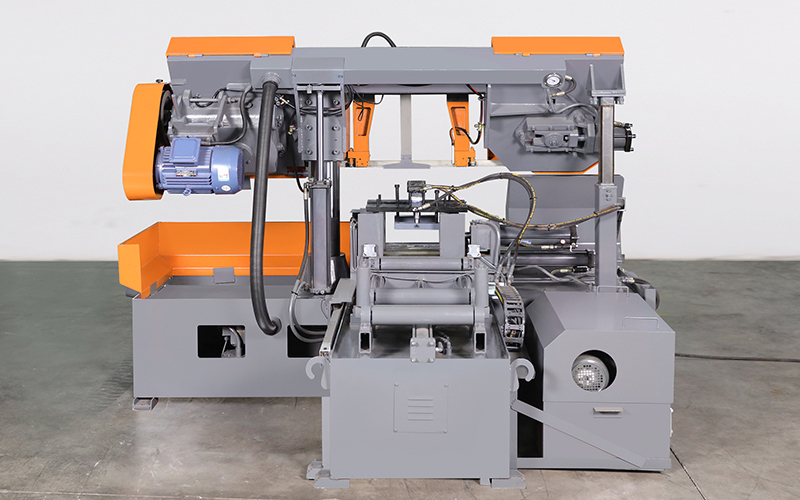
If you have any interest, welcome to contact us via email letiptop@tiptopmfg.com for a formal quote and talk to LETIPTOP expert to get the support. For more information, please click CNC Sawing Machine to view.

 WhatsApp

 8615961618675
 Email
Email